A source of happiness, built as a place.
Sambhalla is a township designed around one question: how do people live longer, live greater and live happier? We answer it with the everyday habits of Japan's longest-lived communities and the inner sciences of India, set in homes, gardens and streets made for a whole life.
Sambhalla is the land every tradition hoped existed. We are building a small, real one.
In the Kalachakra teachings of Tibetan Buddhism, Sambhalla is a hidden kingdom where wisdom and peace govern daily life. In the Puranas of India it is the village where the age of truth begins again. Tibetan teachers often translate the name simply as the source of happiness.
Quiet streets, slow mornings, and a pace that lets the nervous system rest.
Joy designed in: friends within a short walk, purpose every day.
A meditation hall, a lotus pond, an evening lamp. Faith of every kind is welcome.
Lifelong learning, with elders as teachers rather than patients.
Goodness made practical: clean, kind, well-mannered, well-run.
Live longer. Live greater. Live happier.
Longer
Okinawa's elders walk, garden and eat until they are 80% full. We build the walks, the gardens and the shared kitchens, and put care within minutes of every home.
Greater
A long life needs a reason to get up. Ikigai and seva shape the township: ateliers, teaching, farming, enterprise and service at every age.
Happier
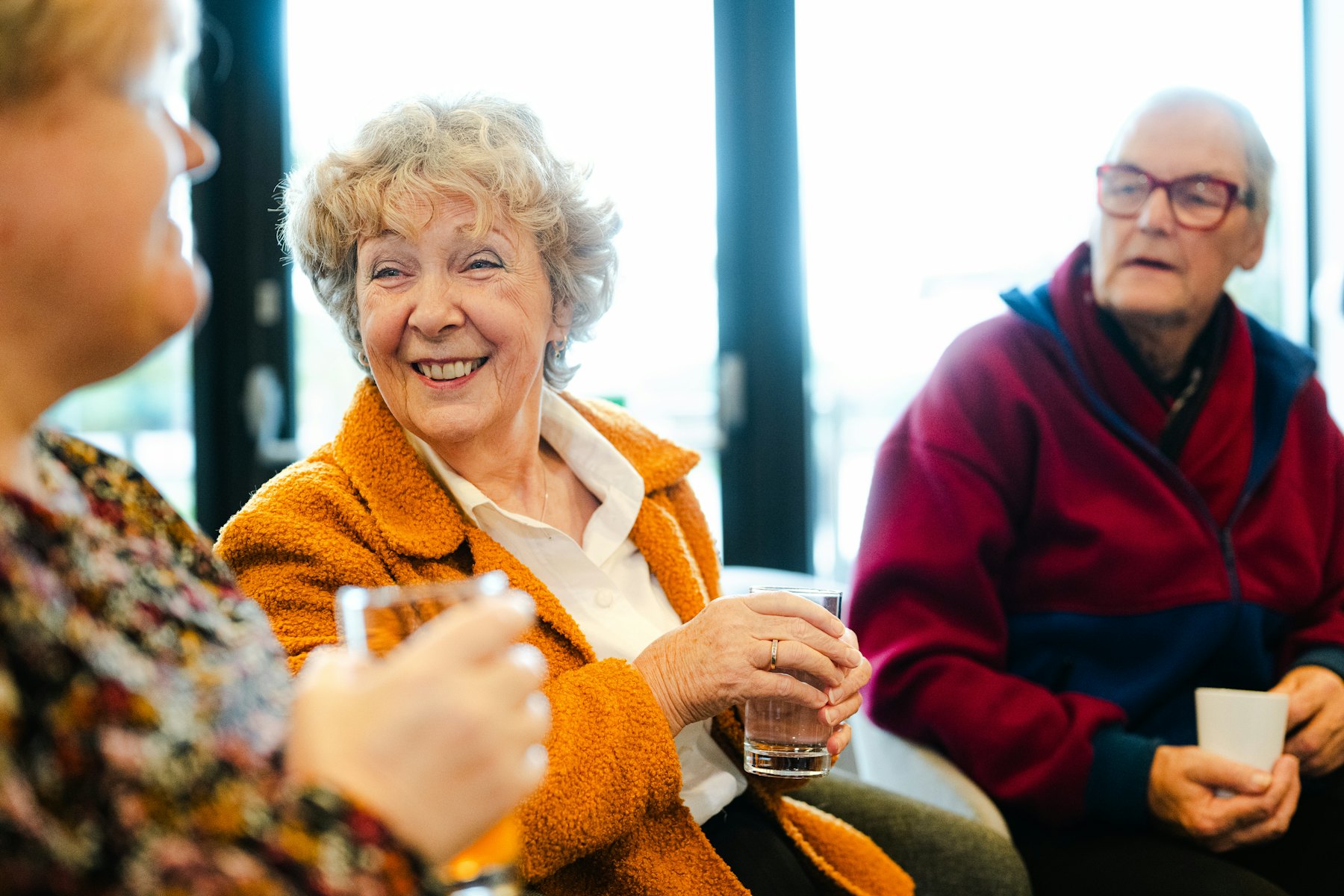
Happiness is mostly other people. Moai circles, satsang evenings and festivals from both cultures keep everyone known by name.
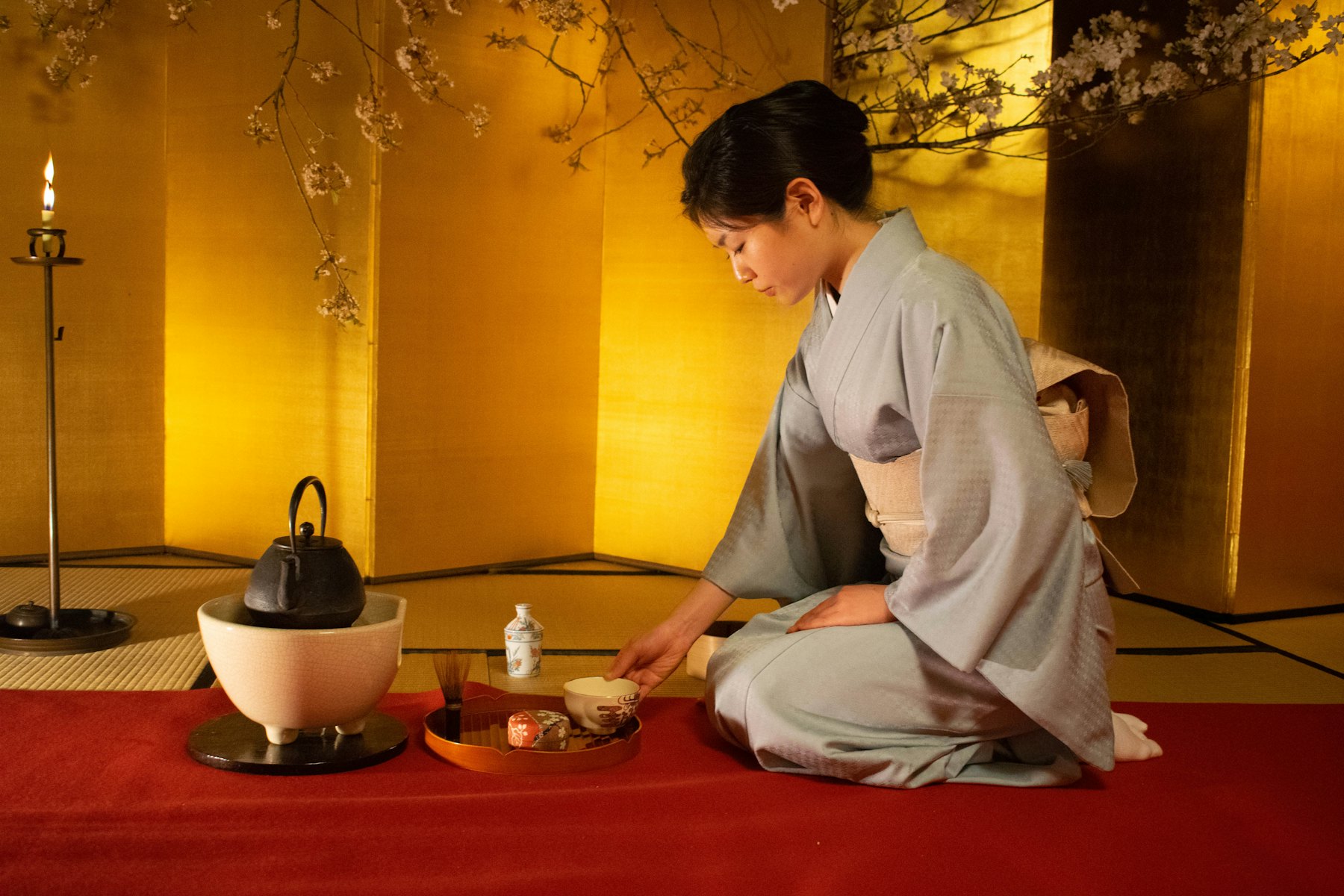 Japan
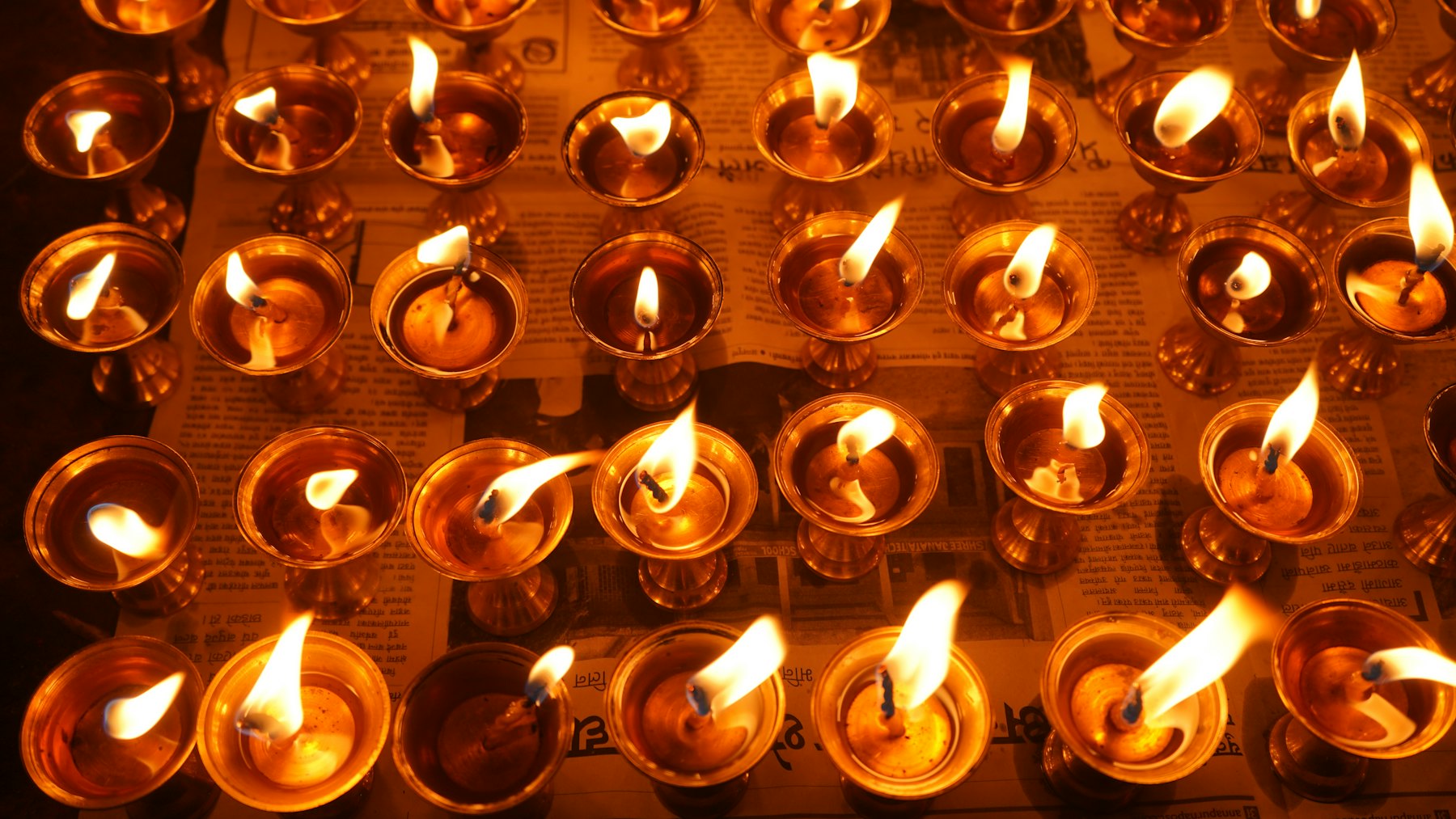 India
The road from India to Japan is fifteen centuries old.
Buddhism carried the lotus from India to Japan in the sixth century. In 752 an Indian monk, Bodhisena, opened the eyes of the Great Buddha at Tōdai-ji in Nara. Saraswati is still worshipped in Japan as Benzaiten, and Japanese temples still write Sanskrit in the Siddham script.
Sambhalla brings that road home: India's understanding of body, breath and spirit, joined with Japan's genius for daily discipline, manners and longevity.
Both cultures build with the same five elements.
India's Pancha Mahabhuta and Japan's Godai name the same five: earth, water, fire, wind and space. Japanese temples stack them into the gorintō, the five-ring pagoda. We use them as the design brief for the whole township. Choose an element.
Longevity is not a treatment. It is a neighbourhood.
The world's longest-lived people did not go to clinics. They walked to see friends, tended gardens, ate simply and felt needed. Sambhalla makes those habits the easy choice, from the first morning stretch to the last lamp by the pond.
Ikigai: a reason to rise each morning.
Moai: a circle of friends for life.
Dinacharya: the Ayurvedic rhythm of the day.
Seva: service that gives life meaning.
The living heart of a new township on the Ahmedabad–Dholera corridor.
Sambhalla is the residential and wellbeing core of a planned integrated township near Ahmedabad, on the Bechraji–Dholera road of the Delhi–Mumbai Industrial Corridor. Work, home, learning and care sit within one walkable, solar-powered place.
Figures come from the promoter's 2026 project presentation and are indicative, subject to government approvals and final master planning.
"Life is work, and work is life." Our founders' motto is Japan's ikigai in five words.